
Is Forex Trading Halal or Haram? Understanding the Islamic Perspective
The world of finance has seen significant transformations over the past few decades, largely due to the advent of technology and the rise of online trading platforms. Forex trading, short for foreign exchange trading, is one such evolution, enabling individuals to trade currencies from anywhere in the world. However, for many Muslims, an important question arises: Is Forex trading halal (permissible) or haram (forbidden) under Islamic law? In this article, we delve into the principles of Islamic finance and analyze whether engaging in Forex trading aligns with them. We will also answer some frequently asked questions related to this topic. For more insights into trading and financial strategies, visit forex trading halal or haram https://trading-terminal.com/.
The Basics of Forex Trading
Forex trading involves the buying and selling of currency pairs in the hopes of making a profit based on the fluctuations in exchange rates. The Forex market operates 24 hours a day, five days a week, making it one of the most accessible trading platforms in the world. Traders analyze market trends, employ various strategies, and utilize leverage to maximize their potential returns.
Understanding Halal and Haram
Within Islamic finance, transactions are governed by Shariah law, which defines what is halal and what is haram. Halal refers to anything that is permissible according to Islamic law, while haram is what is forbidden. The key principles of Islamic finance are:
- Riba (Usury): Any guaranteed interest on loaned money is considered riba and is prohibited.
- Gharar (Uncertainty): Transactions should be clear and not involve excessive uncertainty or ambiguity.
- Investing in Haram Activities: Investment in businesses or activities that are considered haram (such as alcohol, gambling, and pork) is prohibited.
- Ethical Considerations: Transactions must be ethical and beneficial to society.
Analyzing Forex Trading through the Islamic Lens
To determine whether Forex trading is halal or haram, we must analyze it in light of the principles mentioned above. The key factors to consider include:
1. Riba (Usury)
Forex trading itself does not inherently involve riba, as it is based on the exchange of currency rather than lending money at interest. However, the use of leverage can introduce complications. Many brokers offer leverage, allowing traders to borrow funds to increase their potential profits. If the use of leverage results in the payment of interest, it could render the activity haram.
2. Gharar (Uncertainty)
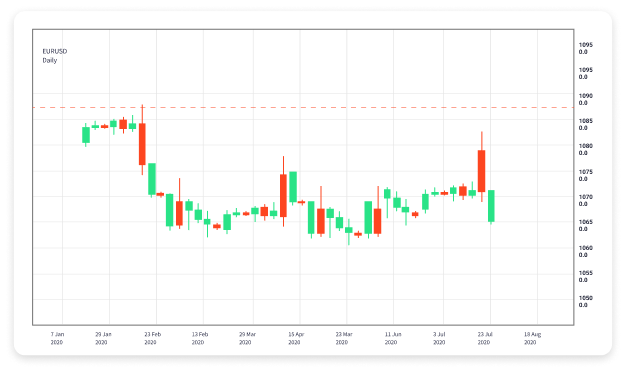
Forex trading involves a degree of speculation and uncertainty regarding currency movements. While some scholars argue that all forms of speculation in the financial markets constitute gharar and are thus haram, others believe that the legitimate buying and selling of currencies do not fall into this category, especially when there is a tangible economic activity involved.
3. Ethical Considerations
Forex trading, as a financial instrument, does not directly involve the investment of capital in businesses that engage in haram activities. As long as the trader is not engaging in unethical practices, such as manipulating the market or engaging in deceitful tactics, Forex trading can be considered ethical.
Scholarly Opinions
Opinions on the permissibility of Forex trading vary among Islamic scholars. Some scholars argue that Forex trading is haram due to the presence of speculation and uncertainty, while others allow it under certain conditions:
- Trading should not involve interest or riba.
- Transactions should be settled immediately (i.e., no deferred or credit transactions).
- The trader must have a knowledge of the market and should make informed decisions.
Best Practices for Halal Forex Trading
If you decide to engage in Forex trading and are concerned about its permissibility, consider the following best practices to ensure you remain within the boundaries of Islamic law:
- Choose an Islamic Forex Account: Many brokers offer Islamic accounts with no swaps or interest fees, making them suitable for Muslim traders.
- Avoid Leverage: If possible, avoid using high levels of leverage, as this can potentially involve paying riba.
- Trade Responsibly: Make informed decisions based on thorough analysis, and avoid speculative trading that does not align with ethical practices.
- Consult a Scholar: If in doubt, consult a knowledgeable Islamic scholar to gain clarity on your specific trading practices.
Conclusion
In conclusion, the question of whether Forex trading is halal or haram is complex and requires careful consideration. While Forex trading itself may not inherently involve prohibited activities, factors such as leverage and speculation must be accounted for. Ultimately, Muslim traders are encouraged to engage in Forex trading only if they can ensure that their activities adhere to the principles of Islamic finance. By understanding these principles and implementing best practices, traders can participate in the Forex market while respecting their faith and ethical responsibilities.
As financial markets continue to evolve, it is crucial for Muslim traders to remain informed and to continuously seek knowledge to ensure that their trading practices align with Islamic teachings.