
The Intricacies of Forex Trading Software Development
In the dynamic world of forex trading, the importance of advanced software solutions cannot be overstated. As trading strategies evolve, traders require robust software to navigate the complexities of the market efficiently. In this guide, we will explore the fundamentals of forex trading software development and the essential components needed to build effective trading solutions. For those interested in honing their trading skills, forex trading software developer Trading Vietnam offers valuable resources and insights.
Understanding Forex Trading Software
Forex trading software encompasses a range of applications designed to facilitate transactions in the foreign exchange market. These tools serve various purposes, including market analysis, trade execution, and risk management. The most common types of forex trading software include trading platforms, automated trading systems, and custom indicators. As a developer, understanding these components will help you create solutions that are not only functional but also user-friendly.
Key Features of Forex Trading Software
To build effective forex trading software, it is crucial to incorporate the following key features:
- User Interface (UI): An intuitive and responsive UI is essential for traders to navigate the software easily and execute trades without confusion.
- Real-Time Data: Access to real-time market data is critical for traders. This includes live currency quotes, historical data, and market news.
- Charting Tools: Visual representation of market trends through charts and indicators helps traders analyze price movements and make informed decisions.
- Order Management: Effective order execution and management features, such as stop-loss and take-profit orders, are vital for risk management.
- Backtesting Capabilities: The ability to test trading strategies using historical data is crucial for optimizing performance before committing real capital.
- Security Features: Implementing robust security measures, such as encryption and two-factor authentication, is essential to protect users‘ data and transactions.

Choosing the Right Technologies
When developing forex trading software, selecting the right technology stack is one of the most critical decisions. Common programming languages used in trading software development include:
- Python: Known for its simplicity and powerful libraries, Python is widely used for data analysis and algorithmic trading.
- C++: This language is favored for building high-performance trading applications due to its speed and efficiency.
- C#: Often used in developing Windows-based applications, C# integrates well with platforms like MetaTrader.
- Java: A robust and platform-independent language, making it a popular choice for web-based trading applications.
API Integration
Many forex trading platforms provide APIs (Application Programming Interfaces) that allow developers to connect their software directly to the trading platform. This integration enables developers to retrieve real-time market data, execute trades programmatically, and manage accounts. Examples of popular APIs in the forex trading space include MetaTrader API, OANDA API, and Interactive Brokers API. Understanding how to work with these APIs is crucial for creating a seamless trading experience.
Automated Trading Systems
The rise of algorithmic trading has transformed the forex market, allowing traders to automate their strategies. As a developer, you can create automated trading systems (algos) that analyze market conditions and execute trades based on preset criteria. When developing these systems, consider factors such as:
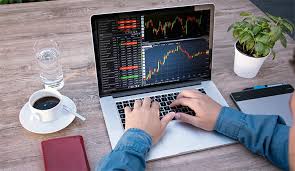
- Algorithm Design: Define clear rules and logic for your trading algorithm to ensure consistent performance.
- Risk Management: Incorporate risk management techniques to minimize potential losses and preserve capital.
- Performance Monitoring: Implement tools to monitor the performance of your algorithm in real-time and make adjustments as needed.
Testing and Optimization
Before deploying any trading software, thorough testing and optimization are crucial steps. Backtesting allows you to evaluate your strategies against historical data to identify strengths and weaknesses. Utilize performance metrics such as Sharpe ratio, maximum drawdown, and win/loss ratio to gauge your algorithm’s effectiveness. Also, consider forward testing in a demo account to see how your system performs in live market conditions.
Staying Updated with Market Trends
The forex market is constantly evolving, influenced by geopolitical events, economic indicators, and regulatory changes. As a forex trading software developer, staying updated with market trends and technology advancements is essential. Follow reputable financial news sources, join online trading communities, and engage with other developers to exchange knowledge and insights. This continuous learning will enable you to adapt your software solutions to meet the changing needs of traders.
Conclusion
Developing forex trading software is a challenging yet rewarding endeavor. By understanding the core principles of trading, incorporating essential features, and leveraging the right technologies, you can create software that meets the needs of traders in a fast-paced market. Whether you aim to build customizable platforms, automated trading systems, or analytical tools, the opportunities in forex software development are vast. Embrace the journey, stay informed, and contribute to the dynamic world of forex trading technology.