
Forex Trading vs Stock Trading: Which is Right for You?
When it comes to investing, two of the most popular options are forex trading and stock trading. Both have their unique characteristics, benefits, and risks. If you’re new to investing or looking to diversify your portfolio, understanding the differences between these two trading avenues is crucial. In this article, we will delve into key aspects of forex and stock trading and help you make an informed decision. For those looking to start their trading journey, consider checking out forex trading vs stock trading Top Trading Platforms.
Market Hours
One of the fundamental differences between forex trading and stock trading is the market hours. Forex trading occurs 24 hours a day during the week, providing traders with the flexibility to trade at their convenience. The forex market opens on Sunday evening and closes on Friday evening, allowing for continuous trading without interruptions.
On the other hand, stock trading operates during specific hours based on the stock exchange. For instance, the New York Stock Exchange (NYSE) is open from 9:30 AM to 4:00 PM EST on weekdays. This limited trading window can be a disadvantage for those who prefer flexibility in their trading schedule.
Market Volatility
Volatility is another crucial aspect to consider when comparing forex and stock trading. The forex market is known for its high volatility, which can create significant trading opportunities. Currency pairs can experience rapid price fluctuations influenced by economic news, political events, and market sentiment. For traders who thrive on volatility, forex offers numerous possibilities for short-term gains.
Conversely, stock prices tend to be less volatile compared to forex prices, especially for large-cap stocks. While stocks can experience significant movements, they generally do so at a slower pace. This slower pace attracts investors who prefer a more stable environment for their investments.
Leverage and Margin
Leverage allows traders to open larger positions than their actual capital would permit, amplifying potential profits—or losses. In forex trading, leverage is typically much higher than in stock trading. Forex brokers often offer leverage ratios of 100:1 or even higher, meaning that with a $1,000 deposit, a trader can control up to $100,000 in the market.
In contrast, stock trading usually offers lower leverage, often around 2:1 or 4:1, depending on the broker and regulations. While higher leverage in forex can enhance potential returns, it also increases risk significantly. New traders must be cautious and aware of the risks involved with high leverage in forex trading.
Trading Costs
The costs associated with trading are another factor to consider. In forex trading, the primary cost is the spread, which is the difference between the buy and sell price of a currency pair. Additionally, some brokers may charge a commission on trades, but many offer zero-commission accounts with wider spreads.
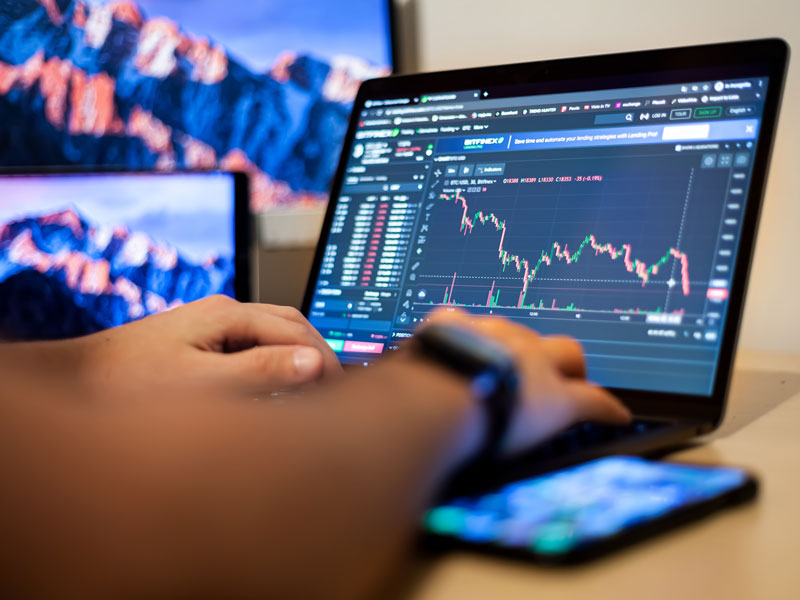
In stock trading, costs include commissions per trade, which can vary based on the broker. Although many online brokers have eliminated commissions for stock trades, factors such as market orders could affect the price you pay. It’s essential to research and understand the fee structure of both trading environments before you begin trading.
Asset Diversification
Diversification is a vital strategy for managing risk in any investment portfolio. Both forex and stock trading allow for diversification, but they do so in different ways. In stock trading, investors can diversify their holdings across different sectors, industries, and companies. You can choose to invest in technology stocks, pharmaceuticals, consumer goods, and more.
Forex trading offers a different way to diversify. Traders can invest in multiple currency pairs to hedge against market fluctuations. Major currency pairs, such as EUR/USD, GBP/USD, and USD/JPY, can offer diverse opportunities, but exposing yourself to different currencies can also provide protection against economic downturns in any particular region.
Strategies and Analysis
When trading in both markets, having a solid strategy is essential for success. Forex trading often utilizes technical analysis due to the high volatility and rapid movement of currency prices. Traders might analyze price patterns, trends, and indicators to make informed decisions. Additionally, fundamental analysis plays a key role, as economic reports and geopolitical events can greatly influence currency values.
In stock trading, both technical and fundamental analyses are crucial. Investors may analyze a company’s financial health through earnings reports, balance sheets, and management decisions while also observing market trends and chart patterns to make trading decisions. The methods of analysis may require different skill sets but are equally important in their respective domains.
Risk Management
Risk management is fundamental in both forex and stock trading. Given the high leverage associated with forex trading, effective risk management strategies become even more critical. Traders utilize tools like stop-loss orders, position sizing, and careful analysis to ensure they are not exposing themselves to excessive risk. It’s often recommended that new traders begin with a demo account to practice these strategies without financial risk.
In stock trading, risk management strategies include diversification, setting stop-loss orders, and using options to hedge against potential losses. Understanding market dynamics and having a robust trading plan can significantly help in mitigating risks in both trading environments.
Final Thoughts
Ultimately, whether to choose forex or stock trading depends on your trading style, risk tolerance, and investment goals. Forex offers high liquidity, leveraged trading, and 24-hour market access, making it appealing for many traders. However, its volatility and high-risk potential require caution and informed decisions.
Stock trading, on the other hand, tends to be more stable and is preferred by investors looking for gradual growth over time. It allows for substantial research into individual companies and diversification across various sectors.
Whichever option you choose, ensure that you educate yourself, understand the risks involved, and develop a solid trading plan. Happy trading!